
Headphones
Headphones let you enjoy music, podcasts, films and games without disturbing the people around you. They are available in many styles, from compact wireless earbuds to full-size over-ear headphones, with options designed for everyday listening, travel, gaming, podcasting and high-quality sound.
Whether you want the convenience of Bluetooth, the immersive comfort of over-ear headphones or a wired pair for accurate audio monitoring, there are headphones to suit different needs and budgets.
Types of Headphones
Over-Ear Headphones
Over-ear headphones, also known as full-ear cover or circumaural headphones, have large ear cups that surround the ears rather than pressing on them. This design can offer a comfortable fit, good sound quality and a more immersive listening experience.
Over-ear headphones are a good option for long listening sessions, music, films, gaming and home use. They are usually larger than other styles, so they are less portable, but they can provide a more spacious and powerful sound.
On-Ear Headphones
On-ear headphones sit directly on the ears rather than fully covering them. They are usually smaller and lighter than over-ear headphones, making them a more portable option for commuting and everyday use.
On-ear headphones can be a good middle ground if you want a more compact design without moving to in-ear headphones. However, they may not block as much outside noise as over-ear models.
In-Ear Headphones
In-ear headphones, also known as in-ear monitors or IEMs, have ear tips that sit inside the ear canal. They are compact, lightweight and can provide a secure fit, making them popular for commuting, exercise and travel.
In-ear headphones can offer good passive noise isolation, especially when the ear tips fit well. They are a practical option if you want headphones that are easy to carry and do not take up much space.
Wireless Earbuds
Wireless earbuds are small, cord-free headphones that sit in or near the ears. They are a convenient option for music, calls, podcasts and everyday listening, with no cable to get in the way.
Most wireless earbuds connect through Bluetooth and come with a charging case. They are available in different designs, including in-ear models with ear tips and open-ear models that rest near the entrance of the ear.
Ear Pods
Ear pods are a type of earbud that rest in the outer ear rather than sitting inside the ear canal. They can be a comfortable option for people who do not like the feeling of ear tips inside their ears.
Because they do not seal the ear canal, ear pods may let in more background noise and provide less bass than in-ear headphones. They can be a good option for casual listening, calls and situations where you want to remain aware of your surroundings.
Open-Ear Headphones
Open-ear headphones sit outside or near the ear rather than sealing it. They let you hear some of the sounds around you, which can be useful for walking, running, cycling and other situations where awareness is important.
Open-ear designs are available as earbuds, ear pods and bone conduction headphones. They may not offer the same bass depth or noise isolation as sealed headphones, but they can be more comfortable for some people during long periods of use.
Bone Conduction Headphones
Bone conduction headphones rest in front of the ears and transmit sound through vibrations rather than sealing the ear canal. They leave the ears open, so you can hear traffic, conversations and other sounds around you.
They can be a practical option for runners, cyclists and people who want to stay aware of their surroundings. However, they may not provide the same audio depth or bass response as traditional headphones.
View More Bone Conduction Headphones
Wired and Wireless Headphones
Wireless Headphones
Wireless headphones connect to your laptop, phone or tablet without a cable, usually through Bluetooth. They are convenient for commuting, exercise, calls and listening on the move.
Wireless headphones are available in over-ear, on-ear, in-ear and earbud designs. Check the battery life, charging method and connection type before buying, especially if you plan to use them for long periods.
Bluetooth Headphones
Bluetooth headphones use a wireless connection to pair with compatible devices. They are a popular choice for everyday listening, calls and use with phones, tablets and laptops.
Bluetooth headphones can offer freedom of movement, but the connection may introduce a small delay. This is usually not noticeable for music or podcasts, but it can matter for gaming or recording.
View More Bluetooth Headphones
Wired Headphones
Wired headphones connect through a 3.5mm headphone jack, USB or another cable connection. They do not need charging and can offer a stable connection without wireless delay.
Wired headphones are a good option for gaming, podcasting, studio monitoring and situations where audio timing is important. They can also be a practical backup if your wireless headphones run out of battery.
Noise Cancelling Headphones
Noise cancelling headphones use microphones and electronic processing to reduce background sounds such as traffic, engine noise and office chatter. They can be useful for commuting, travelling, working in busy places and focusing on music or podcasts.
Noise cancelling headphones are available in over-ear, on-ear and earbud designs. Some models also include a transparency or awareness mode, which lets you hear more of your surroundings when needed.
If you mainly listen in quiet places, standard headphones may be enough. If you travel often or work in noisy environments, noise cancelling headphones can make listening more comfortable.
View More Noise Cancelling Headphones
Headphones for Gaming
Gaming Headsets
Gaming headsets combine headphones with a built-in microphone, allowing you to chat with teammates while playing. They are designed for comfort during long gaming sessions and often include controls for volume and microphone mute.
Gaming headsets are available in wired and wireless options. A wired headset can offer a stable connection, while a wireless headset can offer more freedom of movement.
Low-Latency Wireless Gaming Headphones
Low-latency wireless gaming headphones use a USB dongle or similar 2.4GHz connection to reduce audio delay. This can help keep game sound and visuals in sync, which is important for competitive gaming.
Some gaming earbuds also support low-latency wireless connections through a USB-C dongle, offering a compact alternative to full-size gaming headsets.
View More Low-Latency Wireless Gaming Headphones
Gaming Earbuds
Gaming earbuds are a smaller alternative to gaming headsets. They can be useful if you prefer a lightweight design or want to use the same earbuds for gaming and everyday listening.
Check whether the earbuds include a microphone, low-latency connection and compatibility with your laptop or games console before buying.
Headphones for Podcasting
Closed-Back Headphones
Closed-back headphones have sealed ear cups that reduce sound leakage. This makes them a popular choice for podcasting because they help stop headphone audio from being picked up by a microphone.
Closed-back headphones can also provide more passive noise isolation, helping you focus on your recording. They are a practical option for recording, editing and taking part in online calls.
View More Podcasting Headphones
Wired Monitoring Headphones
Wired headphones are often preferred for podcasting because they provide a stable connection without Bluetooth delay. This makes it easier to monitor your own voice and any guests in real time.
For the best monitoring experience, connect wired headphones to the headphone output on your microphone, audio interface or mixer. This can help reduce delay compared with monitoring through software.
View More Wired Monitoring Headphones
Open-Back Headphones
Open-back headphones have vented ear cups that allow air and sound to pass through. They can create a wider, more natural sound, which some people prefer for editing and critical listening.
However, open-back headphones leak more sound and let in more background noise, so they are usually not the best choice for recording near a live microphone.
View More Open-Back Headphones
Headphones for Good Sound Quality
High-Quality Over-Ear Headphones
For many people, over-ear headphones offer the best combination of comfort, sound quality and immersion. Their larger ear cups can house bigger drivers, which can help deliver deeper bass and a more spacious sound.
High-quality over-ear headphones are a good option for music, films, gaming and long listening sessions at home.
View More High Quality Over Ear Headphones
Studio and Monitoring Headphones
Studio headphones are designed to reproduce sound accurately rather than adding extra bass or treble. They can be useful for podcasting, music production, editing and critical listening.
Monitoring headphones are often wired and available in closed-back or open-back designs. Closed-back models are better for recording, while open-back models can be useful for editing in a quiet space.
View More Studio Monitoring Headphones
Audiophile Headphones
Audiophile headphones are designed for listeners who prioritise sound detail, clarity and a wide soundstage. They are often over-ear headphones and may be open-back or closed-back.
Open-back audiophile headphones can create a more spacious, speaker-like listening experience, but they leak sound and provide little noise isolation. They are best suited to quiet home listening.
View More Audiophile Headphones
Choosing the Right Headphones
Check the Fit
Consider whether you prefer headphones that cover the ears, sit on the ears or sit inside the ears. Over-ear headphones can be comfortable for long sessions, while earbuds and ear pods are more compact and portable.
Check the Connection
Check whether you want wireless convenience or a wired connection. Bluetooth headphones are convenient for everyday use, while wired headphones can be better for gaming, podcasting and accurate monitoring.
Check Battery Life
If you choose wireless headphones, check the battery life and charging method. Earbuds often include a charging case, while over-ear headphones usually charge through USB-C.
Check Noise Isolation
If you listen in noisy places, consider noise cancelling headphones or sealed in-ear headphones. If you need to hear your surroundings, open-ear or bone conduction headphones may be more suitable.
Check the Microphone
If you need headphones for calls, gaming or podcasting, check whether they include a microphone. A gaming headset usually includes a boom microphone, while earbuds and wireless headphones may have built-in microphones.
Headphone FAQs
Showing 1–12 of 15 results
-

Apple AirPods Pro (1. generation) with Wireless charging case (2019)
£260.11 Buy product -

Apple AirPods with wired Charging Case (2nd generation)
£129.00 Buy product -

Apple EarPods with Lightning Connector – White
£16.99 Buy product -

Blukar Earphones, In-Ear Headphones Earphones High Sensitivity Microphone – Noise Isolating, High
£5.89 Buy product -
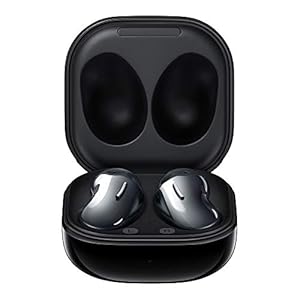
Samsung Buds Live Black (Old Version)
£66.95 Buy product -
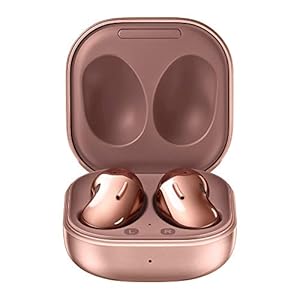
Samsung Buds Live Bronze (Old Version)
£139.00 Buy product -
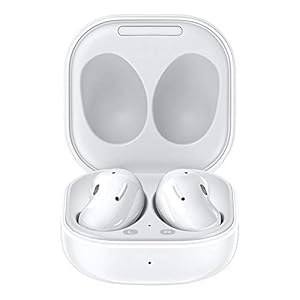
Samsung Buds Live White (Old Version)
£114.95 Buy product -

Samsung Galaxy Buds
Buy product -
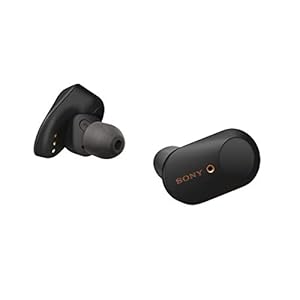
Sony WF-1000XM3 Truly Wireless Noise Cancelling Headphones with Mic
£94.62 Buy product -
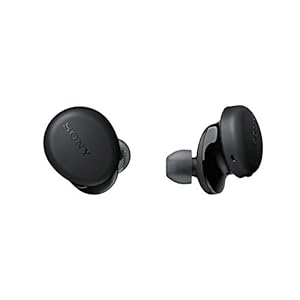
Sony WF-XB700 Wireless Bluetooth Headphones, 18 Hours Battery Life and Quick Charge and Voice Assist
£129.99 Buy product -
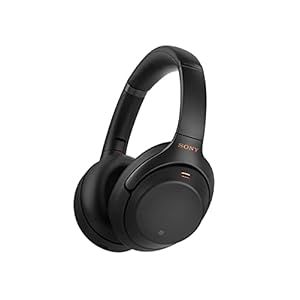
Sony WH-1000XM3 Noise Cancelling Wireless Headphones with Mic, 30 Hours Battery Life, Quick Charge,
£229.00 Buy product -

soundcore Anker Q20 Hybrid Active Noise Cancelling Headphones, Wireless Over Ear Bluetooth Headphone
£49.99 Buy product